

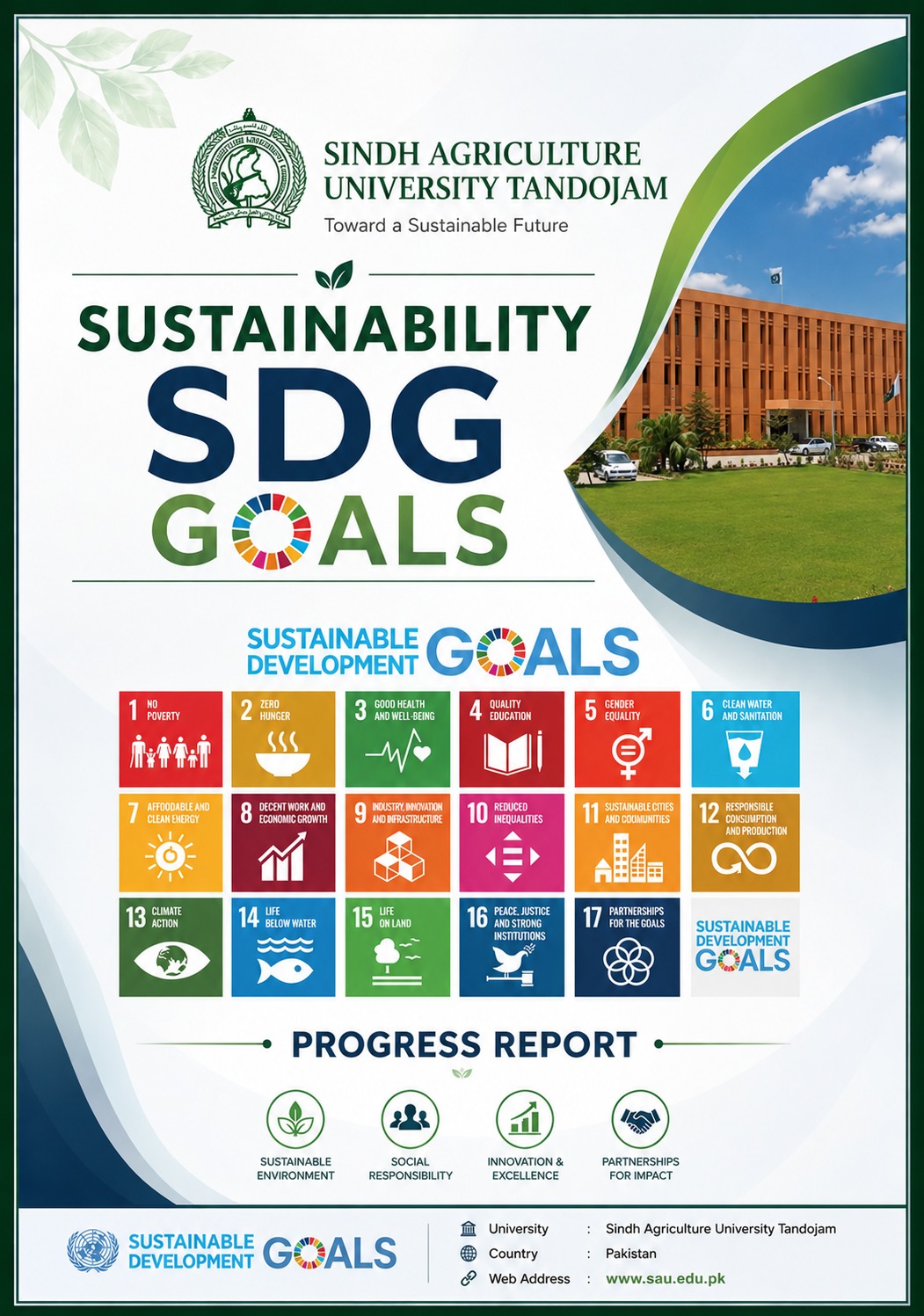
About the University
A legacy of agricultural excellence since 1939

Historical Legacy
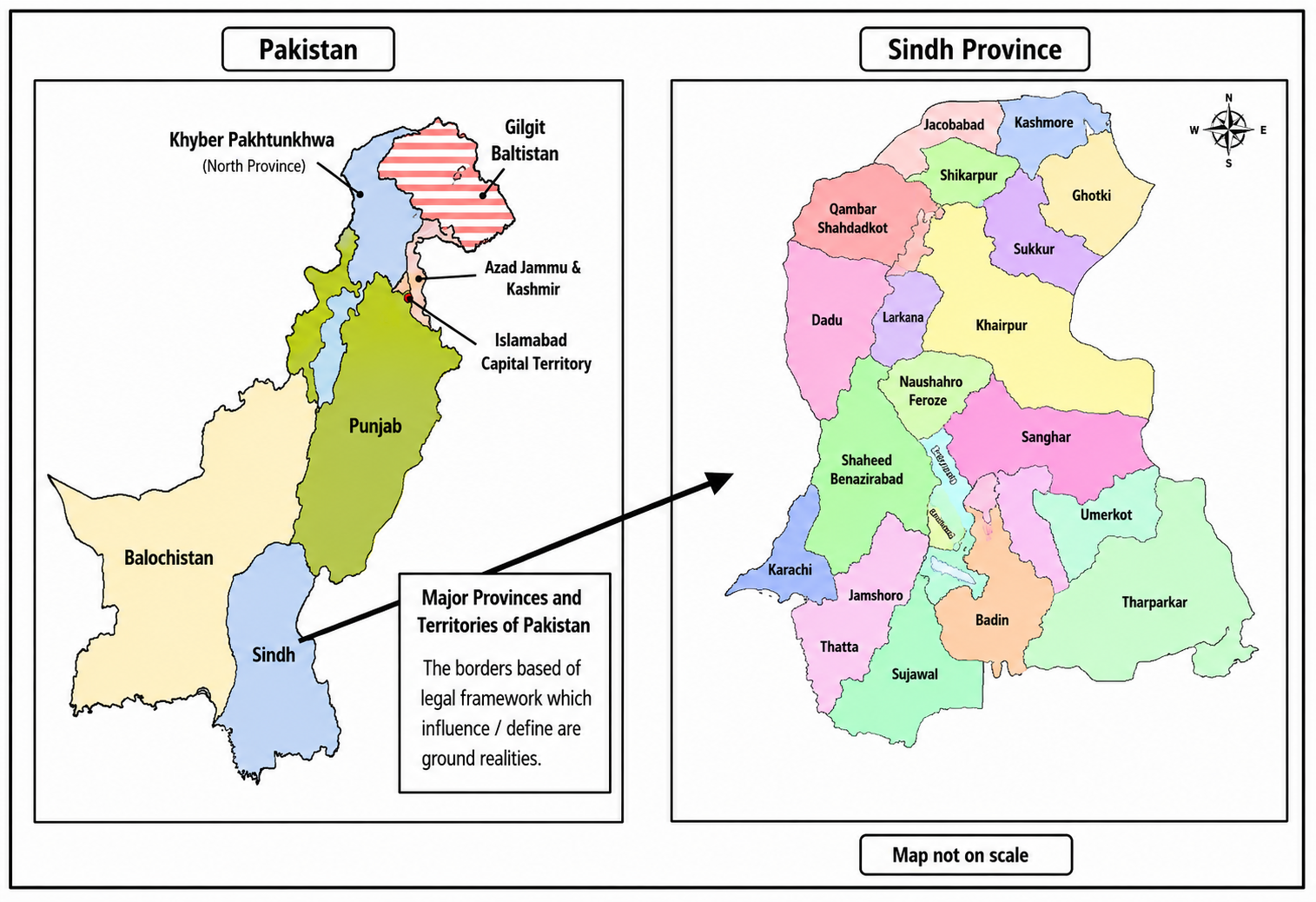
Sindh, blessed with the fertile lands of the Indus Valley, has a rich historical legacy. The excavation of Moen-Jo-Daro attests to Sindh's historical prosperity in agricultural production. In the nineteenth century, Sindh, now a province of Pakistan, was a major exporter of food supplies across the Subcontinent. Located in the extreme south of Pakistan, Sindh is one of the country's four provinces, offering diverse soil types and climatic conditions that support the cultivation of various cereals, fruits, and vegetables, along with a significant livestock population.
Evolution & Growth
1939-40: The Beginning
The construction of the Sukkur Barrage in 1932 was a pivotal event in Sindh's agricultural development, as it underscored the urgent need for a dedicated institution to educate and train professionals in the agricultural sector. In response, the Agriculture College was established in Sakrand, District Nawabshah, during 1939-40. Initially affiliated with the Agriculture Research Institute, it was named the King George-V Institute of Agriculture.
1955: Relocation to Tandojam
Following the inauguration of the Kotri Barrage in 1955, the Government of Sindh recognized the potential for further growth. The college was relocated to Tandojam with significant improvements including additional land, new buildings, and more faculty. It became the only agricultural college serving the southern provinces of Pakistan, specifically catering to Sindh and Balochistan.
March 1, 1977: University Status
The institution's continuous progress led to its elevation to a full-fledged university on March 1, 1977. Established under the Act of 1977, it was renamed Sindh Agriculture University, Tandojam. The university's mandate extended to encompass research and extension services with primary objectives of improving agricultural education, integrating research with teaching, developing relevant technologies, and producing skilled graduates.
Expansion to Rural Areas
To ensure educational opportunities reached underserved communities, the university established:
Shaheed Zulifqar Ali Bhutto Agriculture College in Dokri — serving the rural heartland of Sindh.
Khairpur College of Agricultural Engineering & Technology in Khairpur Mir's — focused on engineering and technology.
SAU Sub-campus in Umerkot — extending opportunities to remote regions.
Mission
The university is committed to inculcate among students a sense of discipline, organization, refinement of their vision and skills, and help them graduate with maturity, distinction, and confidence to be useful citizens of society, to realize the dream of sustainability in agriculture for food security and safety.
Location
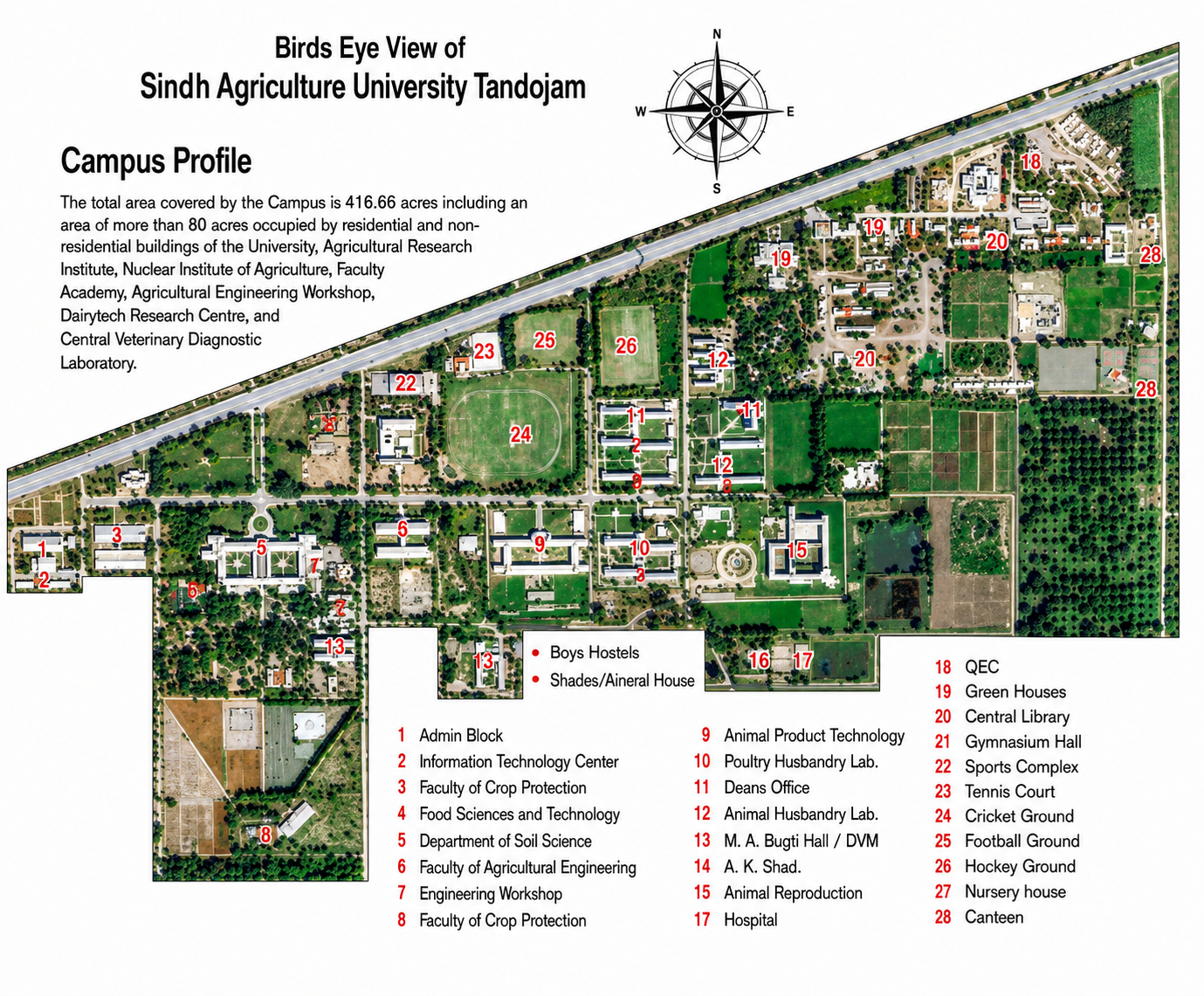
Tandojam town is 180 KM North-East of Karachi and 15 KM East of Hyderabad on Hyderabad-Mirpurkhas Dual Carriageway. The climate is arid & sub-tropical with moderately hot summers and cool winters. Interconnected with all major cities through road, rail, and wire.
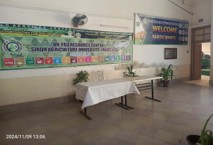
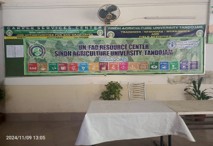
SAU-SDG Resource Center
Promoting Sustainable Development Goals in Agriculture
Introduction
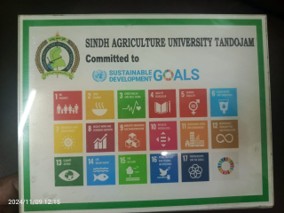
The SDG Resource Center at Sindh Agriculture University (SAU) Tandojam is a dedicated facility aimed at promoting the United Nations Sustainable Development Goals (SDGs) within the university and surrounding communities. This center focuses on advancing sustainability, especially in areas relevant to agriculture, food security, water management, environmental conservation, and climate resilience.
Key Functions & Activities
1. Education & Awareness
- Educates students, faculty, and community about SDGs
- Hosts seminars, workshops, and training programs
- Integrates SDG topics into university curriculum
- Encourages interdisciplinary learning
2. Research & Innovation
- Supports research aligned with specific SDGs
- Focus on zero hunger, clean water, climate action
- Encourages collaboration among stakeholders
- Addresses water scarcity, soil degradation
3. Capacity Building
- Builds capacity among local farmers & producers
- Shares knowledge and sustainable technologies
- Extension services and outreach programs
- Training in precision agriculture & water management
4. Sustainable Solutions
- Hub for showcasing sustainable technologies
- Demonstration plots for practical applications
- Water management solutions
- Eco-friendly farming practices
5. Partnerships
- Collaborates with national & international orgs
- Partners with government agencies & NGOs
- Enhances resource-sharing
- Creates funding opportunities
6. Monitoring & Reporting
- Tracks SDG progress by SAU & stakeholders
- Creates accountability
- Encourages continuous improvement
- Comprehensive reporting system
SDG Resource Center Gallery
Industry, Innovation & Infrastructure (SDG-9)
Progress Report 2023
SDG-9 Progress Gallery
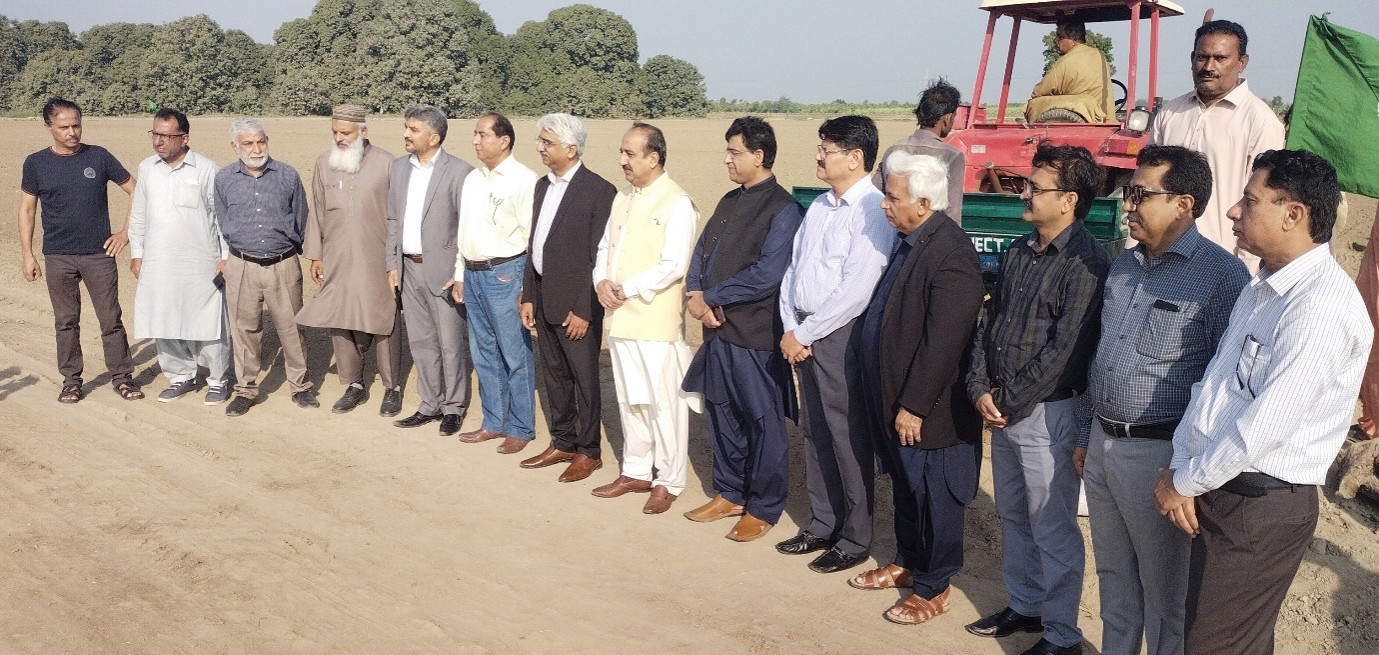
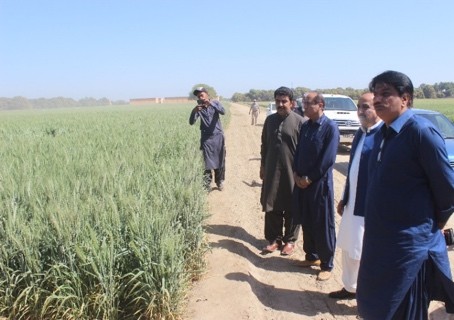
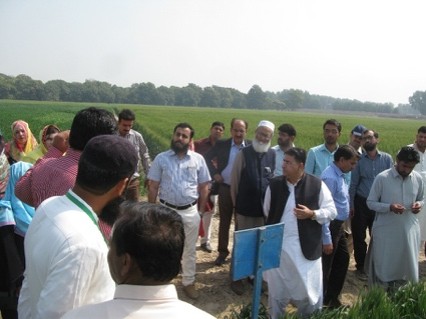
Executive Summary
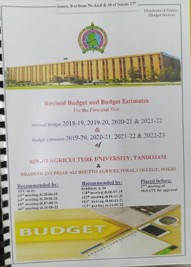
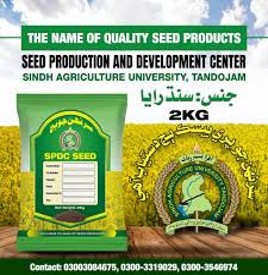
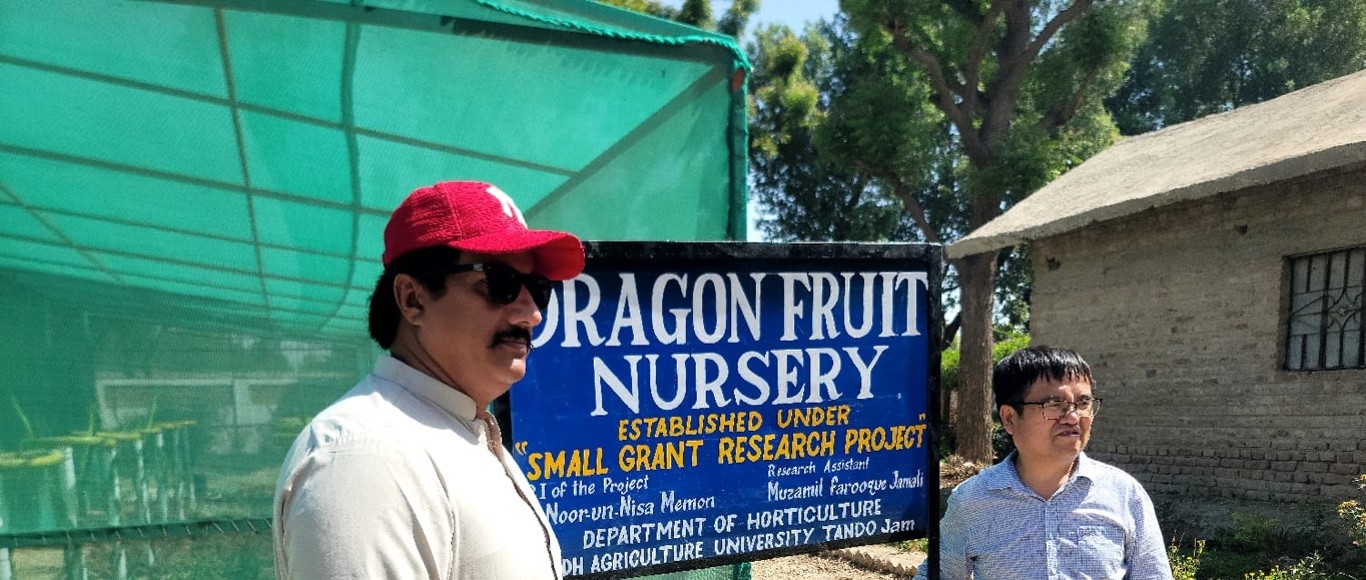
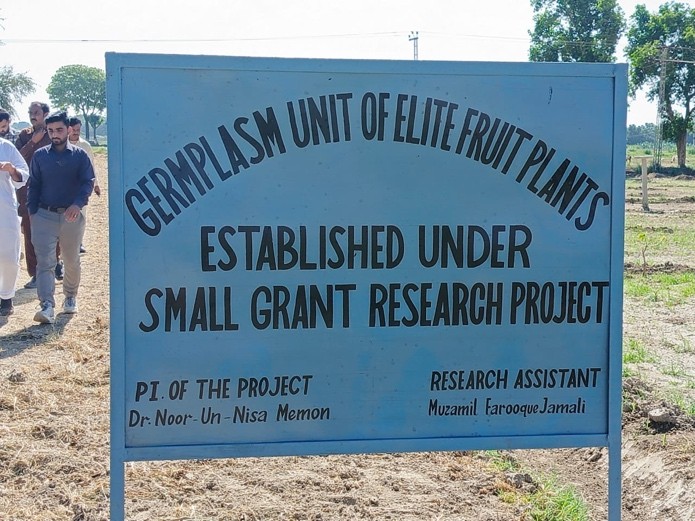
In line with its mission, SAU Tandojam is dedicated to supporting SDG 9 of promoting Industry, Innovation, and Infrastructure. The university has supported 11 small and large-scale spin-offs providing maximum academic assistance. Among these, the Seed Production and Development Center (SPDC) and fruit nurseries are the most significant — major sources of economic return, providing high-quality seeds to private sector companies and farmers, serving the farming community while reducing poverty and enhancing farmers' well-being.
Overview
The main objectives of SDG 9 are to promote sustainable industrialization, foster innovation, and build resilient infrastructure. This goal aims to drive inclusive and sustainable economic growth while addressing critical social and environmental challenges. SAU supports initiatives that:
- Enhance employability
- Stimulate economic growth
- Reduce poverty levels
- Promote climate resilience
List of Spin-offs
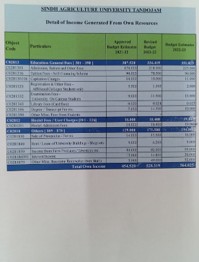
SAU Tandojam currently supports 16 spin-offs that contributed about PKR 50 million to university income during 2023.
Seed Production & Development Center (SPDC)
Agriculture is the backbone of Pakistan's economy, accounting for two-thirds of the country's exports. To enhance agricultural production levels, providing quality seeds with high yield potential is fundamental. However, certified seed production falls significantly short of requirements. SAU Tandojam, with its highly qualified faculty and experienced breeders, has established SPDC to develop new crop varieties and maintain seed supply chains for wheat, cotton, rice, oilseeds, vegetables, and fruits.
WHEAT - Achievements
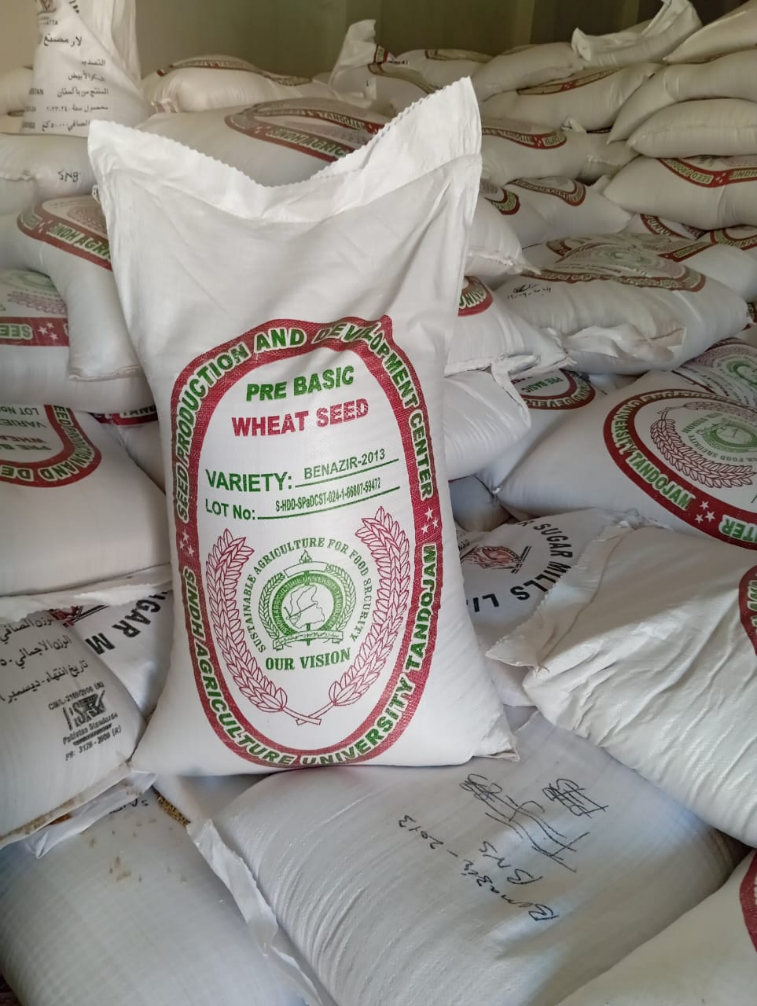
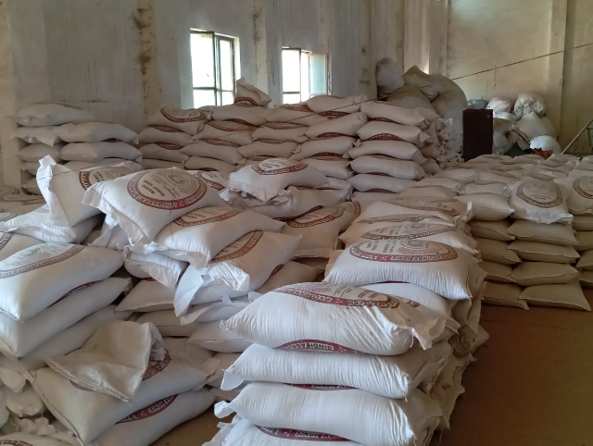
Production of early generation seeds (BNS, Pre-Basic, Basic) of commercially approved varieties including T.D-1, T.J-83, Kiran-95, Benazir-2013, Imdad-2005, Sindhu, IV-02, NIA-Saarang, and NIA-Shaheen. A total of 15 acres dedicated to these activities, with 73 acres allocated for Pre-Basic seed at Latif Farm during 2023-24.
Pedigreed Wheat Seed Sold (2022-23)
| S.No | Variety | Pre-Basic Seed (mds) | Basic Seed (mds) |
|---|---|---|---|
| 01 | TD-1 | 700.00 | 853.75 |
| 02 | T.J-83 | 412.50 | 875.00 |
| 03 | Kiran-95 | 306.25 | 1,411.25 |
| 04 | Benazir-2013 | 362.50 | 760.00 |
| 05 | Imdad-2005 | 527.50 | 636.25 |
| 06 | Sindhu | 162.50 | 170.00 |
| 07 | NIA-Saarang | 47.50 | -- |
| 08 | NIA-Shaheen | 18.75 | -- |
| 09 | NIA-Zarkhiz | 02.50 | -- |
| TOTAL | 2,540.00 | 4,706.25 |
Pre-Basic Seed Distribution (2023)
| S.No | Category | Quantity (Bags) | Percentage |
|---|---|---|---|
| 1 | Total Bags | 1,608 | 100% |
| 2 | Used as Seed Multiplication | 1,477 | 91.58% |
| 3 | Non-Seed bags (growers) | 131 | 8.42% |
Province & City-wise Distribution
| S.No | Region | Companies/Growers | Bags |
|---|---|---|---|
| 1 | Tandojam | 10 | 209 |
| 2 | Tando Allah Yar | 11 | 252 |
| 3 | Mirpur Khas | 3 | 45 |
| 4 | Hyderabad | 4 | 66 |
| 5 | Sakrand | 3 | 82 |
| 6 | Nawabshah | 2 | 36 |
| 7 | Kunri | 2 | 15 |
| 8 | Shahdad Pur | 6 | 134 |
| 9 | Other 16 Cities of Sindh | 16 | 617 |
| Total Sindh | 57 | 1,456 | |
| 10 | Rahim Yar Khan, Punjab | 4 | 130 |
| 11 | Jafferabad, Balochistan | 1 | 22 |
| GRAND TOTAL | 65 | 1,608 |
COTTON - Achievements
Single Plant Progeny Rows (SPPRs), Single Row Progeny Blocks (SRPBs), and BNS seed of cotton varieties were sown over 14 acres to maintain the seed chain. Additionally, 53 acres were allocated for multiplication and seed production of 11 commercially approved varieties and two pipeline genotypes.
| Variety | BNS Seed (kg) | Pre-Basic Seed (kg) | Variety | BNS Seed (kg) | Pre-Basic Seed (kg) |
|---|---|---|---|---|---|
| Sadori | 40 | 330 | IUB-13 | 25 | 170 |
| Chandi-95 | 20 | 180 | FH-142 | 40 | 190 |
| NIA-Noori | 15 | 220 | MNH-886 | 15 | 180 |
| Koonj | 100 | 1,220 | NIAB-878 | 45 | 180 |
| Shahbaz-95 | 70 | 960 | SAU-I | 100 | 2,200 |
| Sindh-1 | 15 | 140 | SAU-II | 40 | 80 |
| CRIS-585 | 25 | 150 | |||
| TOTAL | 550 | TOTAL | 6,430 | ||
BRASSICA - Achievements
Looking into the market demand of Brassica seed, work on early generation (BNS and Pre-Basic) seed production is carried out on 8 acres. Seed will be available for sowing of the crop in 2023.
| Variety | Year | Certified Seed | Pre-Basic Seed |
|---|---|---|---|
| Sindh Raya | 2022 | 160 mds | -- |
| Sindh Raya | 2023 | -- | 110 mds |
Clean Fruit Nursery
Global mango production has reached over 48 million tonnes, growing at an average rate of 4.4% per year. In Pakistan, mangoes are cultivated on approximately 169 thousand hectares, with annual production of 1.7 million tonnes, making it the country's second most significant fruit crop.
Challenges
Despite being the 6th largest producer, Pakistan's exports lag in high-value markets (USA & EU) due to:
- Declining yield per hectare
- Underdeveloped value chain infrastructure
- Reduced international competitiveness
- Lowest price per unit among leading exporters
SAU's Solution
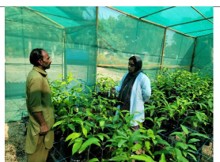
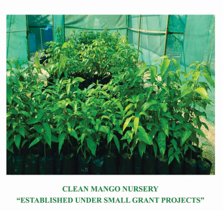
To address the lack of clean, disease-free mango nurseries in Sindh, SAU has established a "Clean Mango Nursery" on a commercial scale in Tandojam. This nursery provides farmers with access to healthy, disease-free mango plants, significantly supporting the farming community and contributing to improved mango quality across the region.
Appendix of Sustainability Report
Download SDG Progress Reports and Documentation
Available Documents
Access comprehensive SDG progress reports and governance documentation. Click on any document below to view or download:
-
Open
SDG-16: University Governance Measures
PDF Document
-
Open
Final SDG 9 Progress Report 2023
PDF Document
-
Open
Final SDG 9 Progress Report 2023
PDF Document
-
Open
Progress Report of SDG 3: Good Health and Well-Being
PDF Document
-
Open
Progress Report of SDG 6: Clean Water and Sanitation 2023
PDF Document
-
Open
Progress Report of SDG 2: Zero Hunger 2023
PDF Document
-
Open
Final SDG 17 Report 2023
PDF Document